
Staying Creative Without Burning Out: 5 Lessons From Starting Small, Pausing, and Coming Back
Staying creative without burning out takes curiosity, flexibility, and a willingness to pause, and these 5 lessons show how.
FINDS & CREATORS
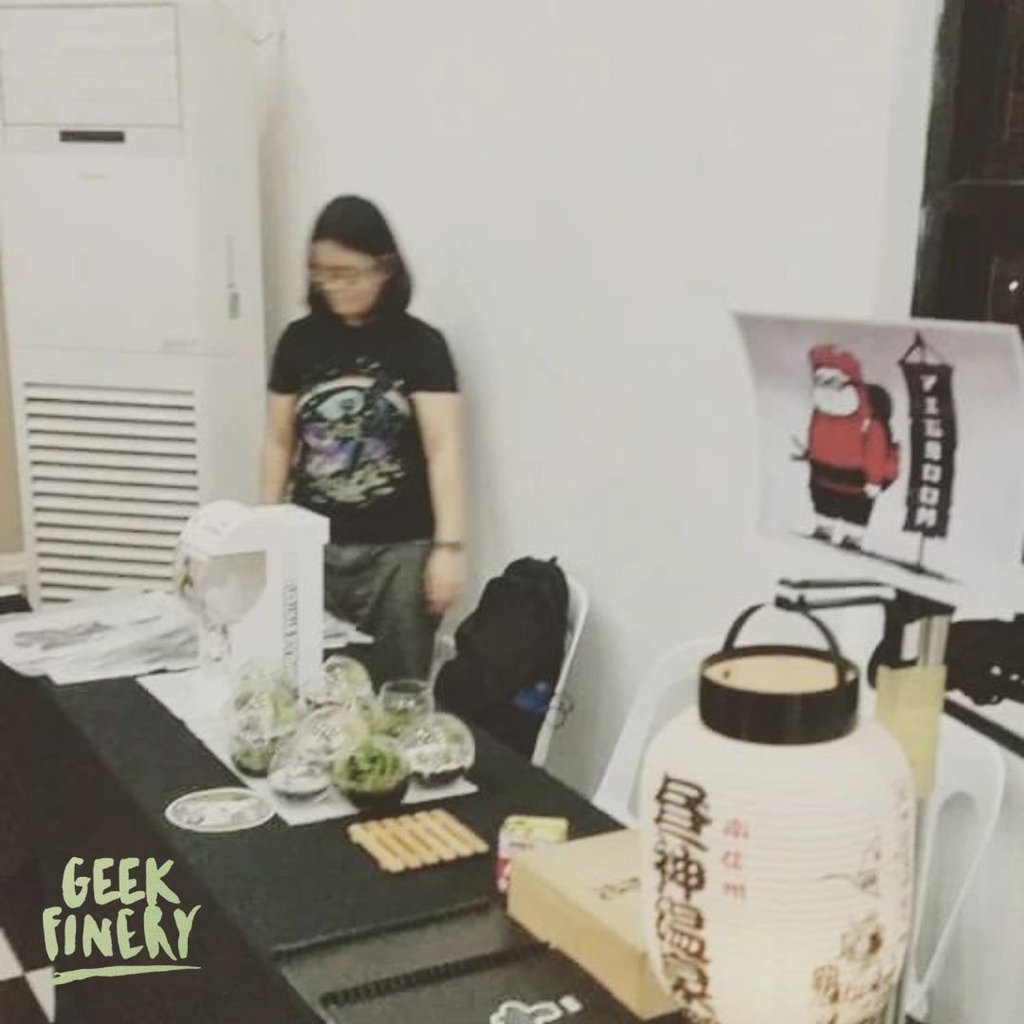

Staying creative without burning out is one of the hardest parts of building something from scratch, whether it is a small shop, a craft project, or a table at a local convention. Most creative journeys do not follow a straight line. They include accidents, shared tables, long pauses, cancelled plans, and early attempts that miss the mark, and each of those moments carries a lesson. These 5 lessons show how curiosity, consistency, and flexibility keep creative work going through the quiet stretches as well as the busy ones.
Staying Creative Without Burning Out Begins With Curiosity
Let accidents become experiments. A mishap with mismatched household items can turn into a terrarium experiment, and from there into a collection of nature dioramas. Many creative projects begin as problems that refuse to be thrown away, and staying curious about them keeps the work enjoyable instead of pressured.
Start before feeling like an expert. A shared table at a local convention offers just enough space and just enough courage to show early work. Expertise grows through doing, and curiosity paired with creativity is enough to begin with.
Keeping Momentum Through Pauses, Setbacks, and Early Misses
Show up, even without being a regular. Joining a few local events, taking a break, and returning later still counts. Pauses are normal for small makers, and coming back at a lighter pace is far better than quitting, since each appearance keeps the work visible and builds familiarity.
Treat setbacks as redirection. Cancellations, venue policy changes, and schedule conflicts are common for small vendors, and they can sting. A backup plan helps, such as another event, an online listing, or a small project to work on in the meantime, so momentum survives the disappointment.
Let the early writing be imperfect. First blog posts, captions, and product descriptions rarely sound quite right, and that is part of finding a voice. A conversational, honest tone tends to resonate more than trying too hard, and it improves with practice.
Slower, steadier growth is usually easier to sustain than constant sprinting, and it leaves room for thoughtful work, small creative updates, and clearer storytelling. Starting something imperfect beats waiting for ideal conditions, and returning after a pause is simply another chapter in the same story.