Yokai in Anime: How Spirits, Elders and Old Stories Connect Generations
Yokai in anime often sit beside the elders who keep old stories alive, and sharing them can start a warm conversation across generations.
LORE & FANDOM

Yokai in anime tend to show up right next to the oldest voices in the story. A notebook passed down from a grandmother. A bathhouse run on customs nobody explains. It makes sense, since folklore and elders do the same job: holding on to what would otherwise be forgotten. Yokai, the mischievous and mysterious spirits of Japanese folklore, turn out to be an easy way into a conversation with someone older.
Yokai in Anime: Where Elders and Old Stories Meet
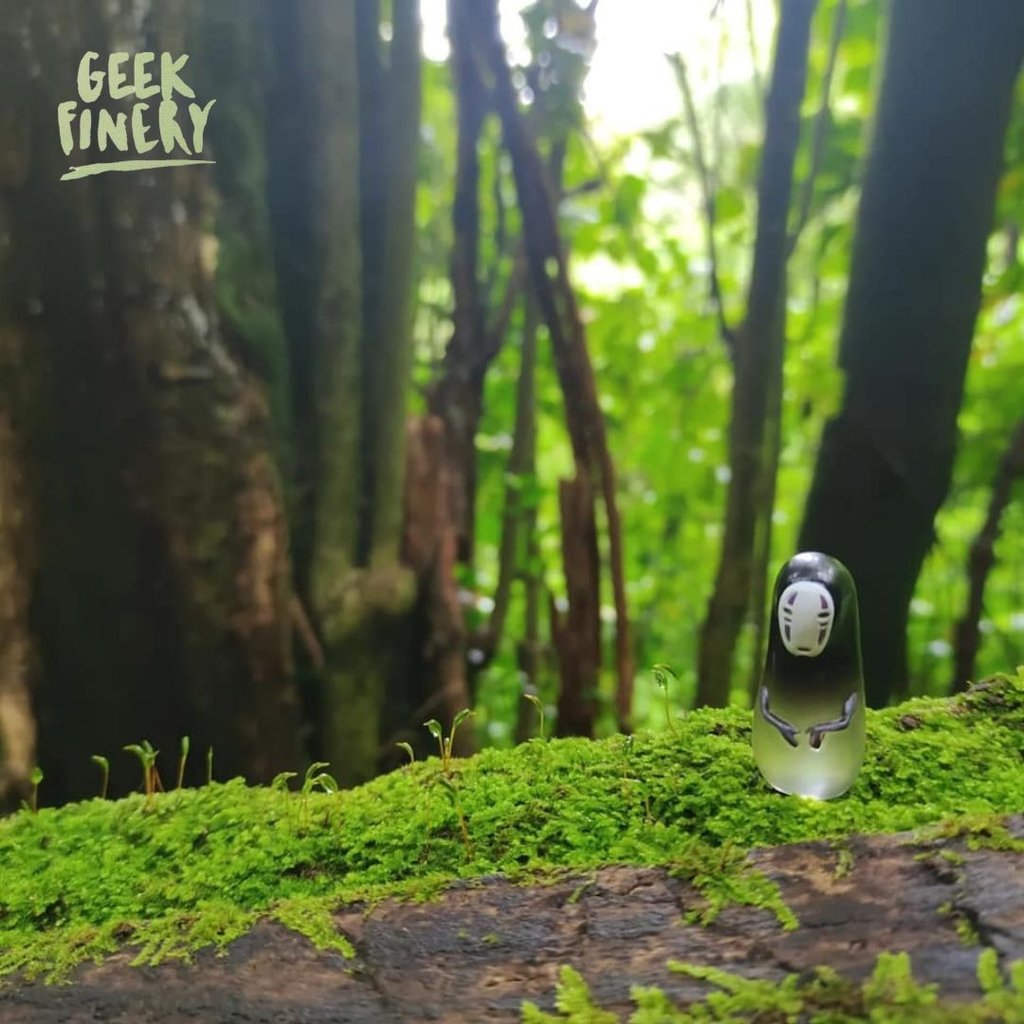
Spirited Away is the obvious place to start. Chihiro wanders into a bathhouse where the spirits and gods of Japanese folklore come to rest, and the guests, from soot sprites to frog-faced staff to the silent No-Face, feel like keepers of customs she has never heard of. Her whole journey is about learning to respect them.
Natsume’s Book of Friends is a well-loved yokai series that is still on the watchlist, so this one goes by its premise alone. Natsume can see yokai, a gift he shares with his late grandmother Reiko, who left behind a book of names she once won from spirits. He takes it on himself to return those names to the yokai they belong to, which ties elders and spirits together from the start.
Yokai stories and elders in anime often share the same personality: chaotic but protective, mischievous but wise. Japanese folklore even has a spirit for echoes, the yamabiko, said to call back from the mountains. That fits stories about voices and memories carried across time, and it explains why these shows tend to feel warm and a little haunting at once.
Turning Anime Nights into a Small Ritual of Remembering
A ritual does not need to be big. Share a favorite series with a grandparent or an older relative. Rewatch a yokai episode that reminds you of childhood. Draw something or put together a cosplay inspired by an elder character, because it matters to you and not because it will impress anyone. Even a shared laugh over a ridiculous scene counts as a thread in the family story.
Most families have their own spirits and warnings too, from the tikbalang and duwende in the Philippines to Ireland’s banshee, Mexico’s La Llorona, or Korea’s dokkaebi. Trading those stories, even in a few lines, often brings out more than the anime does.
A few ways to start:
Pick something short and gentle. Spirited Away suits an evening with nothing else planned, and any gentle yokai episode works for a shorter night.
Ask about their stories. Which spirits, warnings, or old tales did they grow up with?
Let the conversation drift. No quiz at the end. Subtitles or dub, whichever is more comfortable.
The stories people carry are rarely just their own. The lorekeepers usually have plenty, and a simple question is often all it takes to hear them. They do not have to be grand tales, either. A half-remembered warning, a favorite lullaby, or a story that changes a little with every retelling can say as much as any anime plot.